Gloss restoration
Correction work aimed at improving dull or oxidised clear-coated paint and restoring visible lustre.
Whole-vehicle paint correction and ceramic coating for dull finishes, light surface marks and better presentation in Darwin conditions.
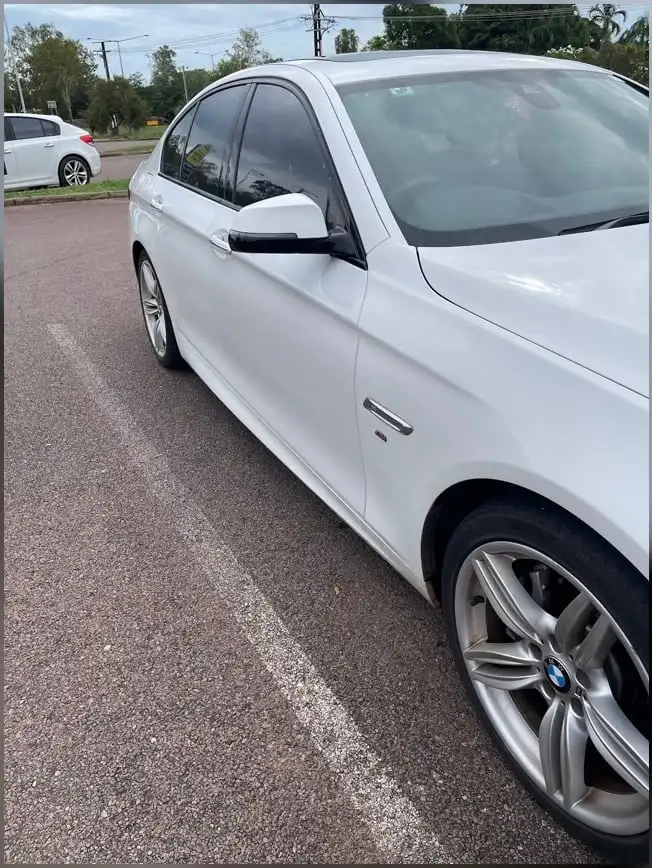
Correction work aimed at improving dull or oxidised clear-coated paint and restoring visible lustre.
Inspection of swirl marks, water spotting and light scratches before choosing a correction approach.
A practical option for owners who want tired paint presented more consistently before listing a vehicle.
Deeper chips, failed paint and dents are identified for repair or refinishing instead of being hidden by a polish claim.
Agreed per job at assessment
Paint correction is useful when the vehicle still has a workable finish but no longer presents at its best. Fine swirl marks scatter reflections. Water spotting interrupts an otherwise clean panel. Oxidised paint can look chalky or flat, and light surface scratches may stand out after washing. A cut and polish works with that existing paint to improve its appearance; it is not a substitute for repairing dents, filling chips or repainting a failed surface.
Auto Body Fix offers cut and polish services at our Coconut Grove workshop for private vehicles and fleet or commercial presentation. The team has more than six years of experience serving Darwin and the Northern Territory. Before recommending the service, our skilled, experienced technicians look at what is actually visible and explain whether correction, detailing, body repair or refinishing is the more realistic next step.
Bodywork and paint carry a one-year warranty against peeling or fading. Correction and coating work sit outside that scope, and we will say what applies to your job before it starts.
Cutting uses an abrasive correction process to reduce suitable imperfections at the surface. Polishing then refines the appearance and restores lustre. The useful word is “suitable”. A light mark in the clear-coated surface is different from a scratch that has passed through the paint. Oxidation that can be corrected is different from widespread cracking, peeling or missing material.
The first assessment looks at the kind of defect and the condition of the paint around it. Swirl marks, light scratches, dullness and some water spotting may respond well. Exposed underlayers, unstable paint and physical panel damage point to other services.
Send photos if you want an initial view, but use them as a starting point. Reflections, shadows and phone processing can conceal the depth of a scratch. The workshop inspection lets the technician see the surface from more than one angle and discuss the areas that are likely to improve as well as those that will remain.
Strong UV exposure is central to paint care in Darwin. Upper panels can receive sustained sunlight, and an unprotected finish may become dull, faded or cracked within a few years. Correction may restore clarity where the surface is oxidised but still viable. It cannot replace material that has failed or recreate colour that no longer remains evenly across the vehicle.
One section may respond to correction while another has moved beyond it. Promising a uniform result before inspection would ignore the difference. Where the existing surface is no longer suitable, the team can discuss refinishing.
Salt air and wet-season moisture also shape local maintenance. They do not mean every car needs aggressive correction. They do mean chips and exposed areas deserve attention, because polishing around damaged paint is not the same as repairing it. Fine red dust can settle into seams and surface contamination, so the vehicle’s condition and cleanliness are considered before correction begins.
A cut and polish can make sense without chasing an exaggerated “new car” claim. An owner may want more consistent gloss, while a fleet operator may want a work vehicle to present neatly. Darwin’s transient population also makes pre-sale presentation relevant: dull paint and swirl marks can distract from an otherwise tidy car.
Correction removes a microscopic amount from the surface, so the team considers the visible condition rather than applying the same approach to every panel.
Cut and polish and detailing complement one another but do different jobs. Detailing cleans; correction works on defects in the finish itself. Keeping them separate matters most before a sale, where you can pay for the work the car actually needs rather than a bundled package.
Correction and protection are two different jobs. Cutting and polishing removes what is already wrong with the surface; a ceramic coating goes on afterwards to slow the same damage coming back.
We coat whole vehicles, and the order matters. Coating a surface that has not been corrected just seals the swirls and haze underneath. Paint comes back first, then it gets coated. In this climate that second step earns its place: Territory UV, salt air off the coast and red dust work on unprotected paint continuously, and a coated surface washes down far more easily.
Whether coating suits your vehicle depends on the paint when we see it. Bring it in, or send photos through the quote form.
We will tell you which marks are coming out and which are not. Some lift completely, some fade back, and some need repair or paint instead. Agreeing on that up front is what makes the finished job easy to judge.
How long it takes depends on the size of the vehicle and the state of the paint. We agree that with you at assessment.
Send photographs of the overall finish and the marks that bother you — and not only in direct glare, which hides as much as it shows. We can start the conversation from those, then look at the paint at Coconut Grove before confirming anything.
See the change in matched workshop photographs. Every card rests on the completed result; where a genuine comparison exists, use the control to reveal the starting point.
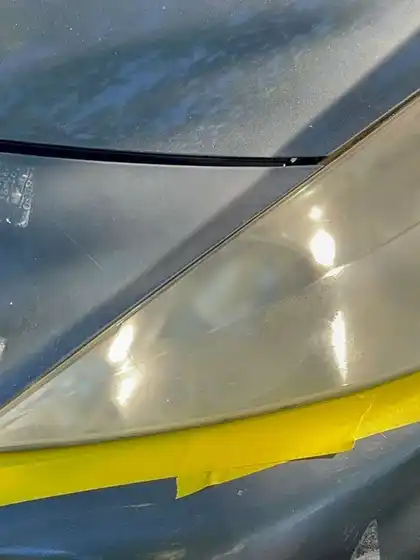
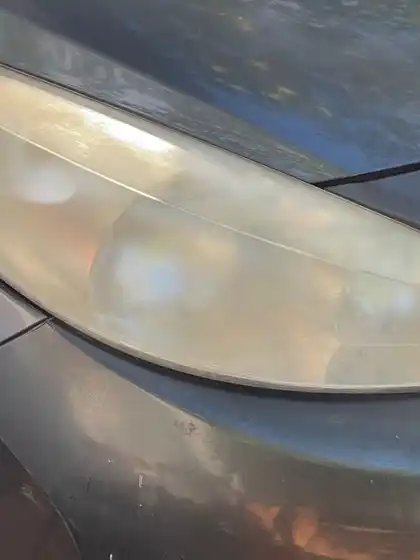 ABF-0216
Peugeot 308
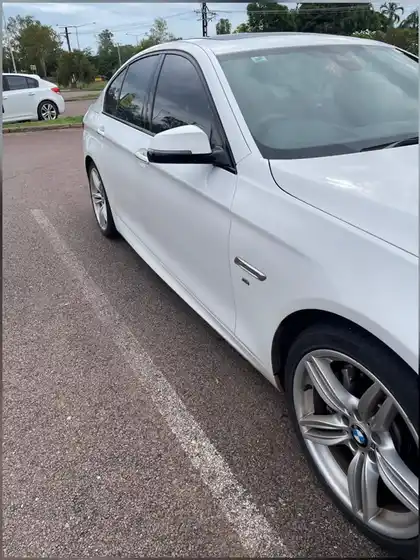 ABF-0208
BMW 3 Series
No. It is intended for suitable surface defects in the existing finish. Deep scratches, chips, peeling paint and dents may need body repair or refinishing instead.
It can improve some dull or oxidised surfaces, but the result depends on the condition of the remaining paint. An inspection helps determine whether correction or refinishing is appropriate.
Our written warranty is specific: One-year warranty on bodywork and paint against peeling or fading. The team will explain whether that scope applies to the work proposed for your vehicle.
Cut and polish can improve the presentation of suitable paint before sale. The workshop first checks whether the existing finish is a good candidate for correction.
We give you a timeframe once we have seen the vehicle rather than quoting a number in advance. What we commit to is not sitting on it — fast turnaround, quality finish.
Tell the workshop what needs attention and request a free quote.