Panel beating
Repair of dented, creased or misaligned exterior panels after impacts and everyday damage.
Panel beating and collision repair for private, insurance and fleet vehicles from our Coconut Grove workshop.
Repair of dented, creased or misaligned exterior panels after impacts and everyday damage.
A considered repair path for accident damage, from the first visual assessment through to refinishing.
Prepared and refinished bodywork using computerised colour matching and quality paint systems.
Insurance claims welcome, we handle the paperwork.
The applicable bodywork and paint warranty is explained clearly before handover.
Agreed per job at assessment
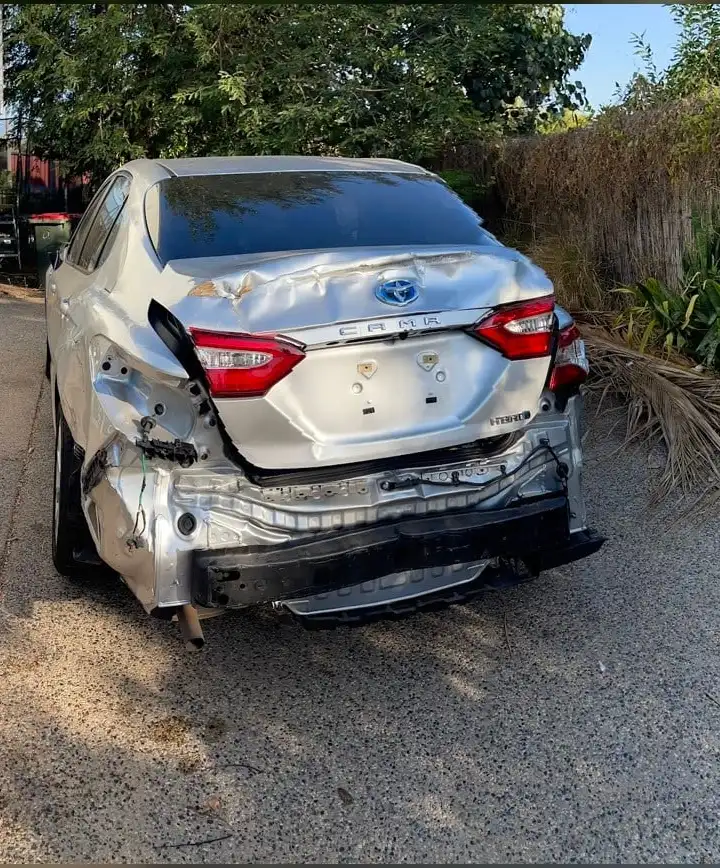
Accident damage is rarely just one obvious dent. A rear impact can affect a bumper, boot lid, lamps, adjoining quarter panels and the way those panels line up. A smaller scrape can still expose paint and leave bare metal vulnerable. Full body repair is the process of assessing the complete damaged area, planning an appropriate sequence and returning the affected panels to a properly presented finish.
Auto Body Fix carries out panel beating and collision repair at our Coconut Grove workshop for private customers, insurance claims and fleet or commercial vehicles. Our skilled, experienced technicians have served Darwin and the wider Northern Territory for more than six years. We begin with what can be seen, but we do not treat a photograph or a quick glance as the final scope. An in-person inspection is important because trim, panel edges and impact points can hide details that change the repair plan.
The commitment attached to the finished repair is specific. Repaired bodywork and paint are covered for one year if peeling or fading occurs. That scope matters. It gives customers a plain written reference for the elements covered without turning it into a vague promise about unrelated parts of the vehicle.
You can send photos through the online quote form to start the conversation. Wide views help identify the damaged side of the vehicle, while closer images show dents, scrapes, broken edges and paint loss. Photos are useful for an initial assessment and for deciding the next practical step. They cannot show every detail, so the workshop confirms the repair scope after inspecting the vehicle.
That inspection separates cosmetic damage from panel movement and checks how the affected pieces meet. The team can then explain which areas need panel beating, which pieces may require replacement, and which surfaces need preparation and paint. It also avoids promising a completion date before the real work is understood.
Insurance claims are welcome, and we handle the paperwork. Private, fleet and commercial customers receive the same clear assessment process. The focus is a traceable path from enquiry to inspection, repair and handover.
The visible finish depends on the earlier stages being done carefully. Damaged panels first need to be assessed in relation to the surrounding body lines and openings. Depending on what the inspection shows, repair may involve reshaping a panel, addressing dents and creases, aligning adjoining pieces, or replacing a damaged exterior panel. We avoid presenting one method as the answer to every impact because two vehicles with similar-looking marks can need different work.
Preparation follows the bodywork. The surface must be made ready for refinishing, and nearby areas are protected before paint is applied. The workshop has measuring equipment, computerised colour matching and a spray booth. These are practical categories, each supporting a different part of the job: measurement during repair, colour selection during refinishing and a controlled place for paint application.
Computerised colour matching helps the technician prepare a colour for the vehicle being repaired. Paint still has to be applied over properly prepared work, and the repaired area has to be considered beside its neighbouring panels. We use quality paint systems and inspect the finished area for colour, surface consistency and panel presentation before handover.
Local conditions add their own pressures. Strong UV exposure can fade or crack neglected paint, making an older finish more complicated to blend beside a newly repaired section. Salt air near the coast and wet-season moisture make exposed chips and scrapes worth addressing before corrosion develops around damaged paint. Fine red dust can settle into openings and damaged surfaces, which is another reason preparation and cleanliness matter before refinishing.
The build-up and wet season can also bring fallen branches and wind-blown debris. Damage from debris may be concentrated in one panel or spread across several areas. A careful inspection distinguishes individual dents and scratches from the broader repair task. We discuss what is visible and what can be confirmed; we do not assume the scope from the weather event alone.
For vehicles travelling beyond Darwin, stone impacts and road debris can also leave chips, dents and damaged edges. Early attention can prevent a small break in the coating from remaining exposed through heat, dust and rain. If you are unsure whether the damage calls for body repair, a respray or paint correction, photos give the team a useful starting point.
A repair is easier to manage when the customer knows what has been confirmed and what remains uncertain. The first estimate is based on available information. If the workshop inspection changes that understanding, the scope should be discussed before the job moves ahead. The same principle applies if a dismantled area reveals something that was not visible at the start.
Turnaround depends on the actual damage, the repair sequence and what the inspection finds. The team discusses scheduling once those facts are understood instead of giving a generic promise before the vehicle has been assessed.
At handover, the aim is straightforward: repaired panels that present consistently with the surrounding vehicle, clear information about the work, and the correct warranty scope for bodywork and paint. If your vehicle has collision damage, dents or exposed paint, send several clear photos or arrange an inspection at the Coconut Grove workshop. That gives Auto Body Fix the evidence needed to recommend the next step without guessing.
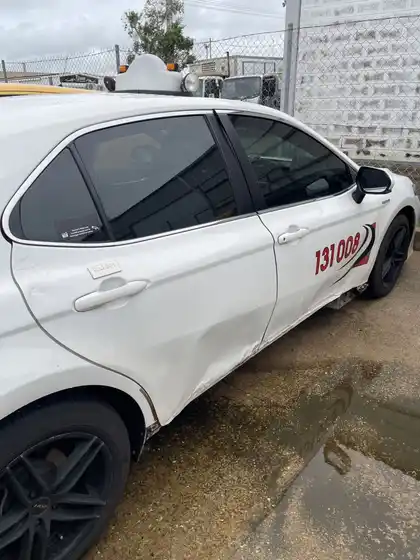
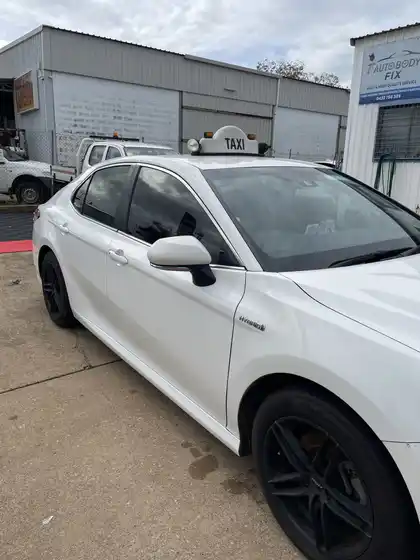
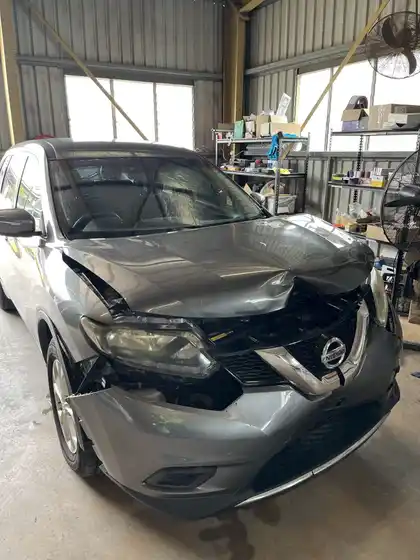
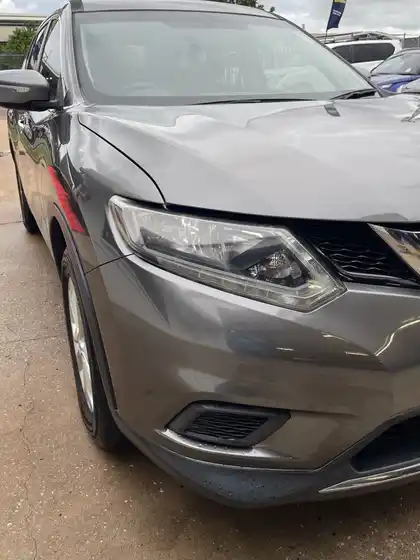
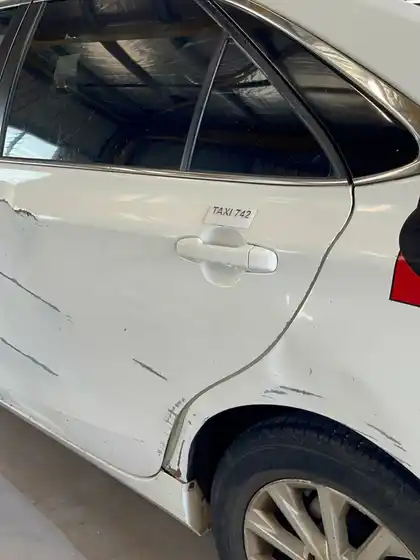
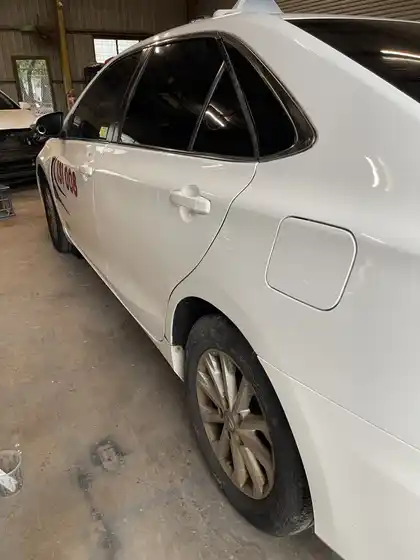
See the change in matched workshop photographs. Every card rests on the completed result; where a genuine comparison exists, use the control to reveal the starting point.
 ABF-0204
2018 Toyota Camry
 ABF-0202
2016 Nissan X-Trail
 ABF-0205
2020 Toyota Camry
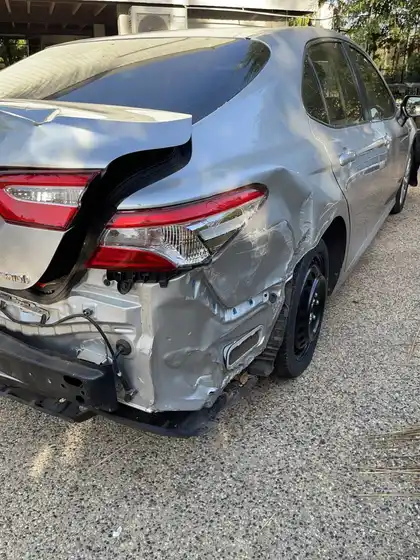
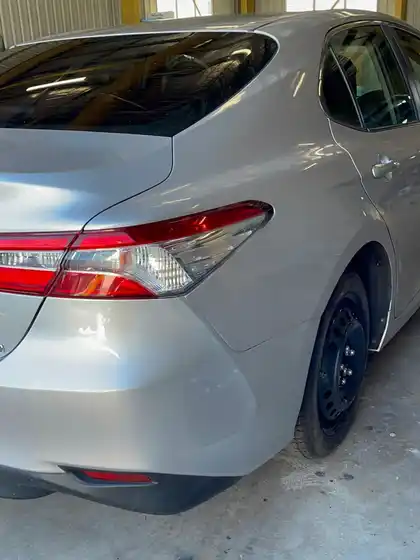 ABF-0203
2020 Toyota Camry Hybrid
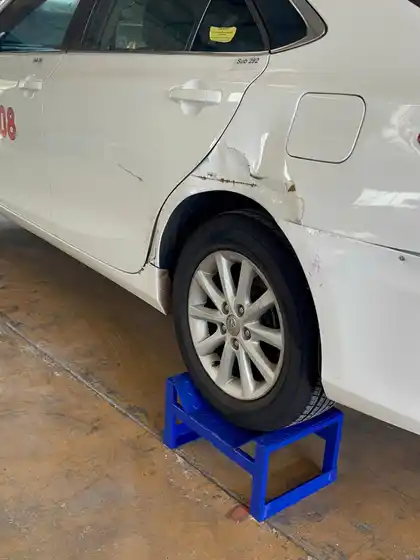
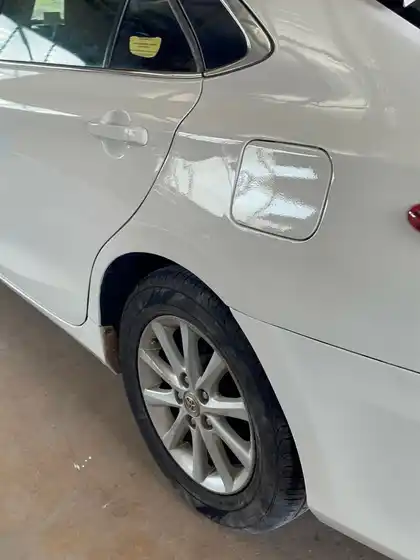 ABF-0206
2016 Toyota Camry
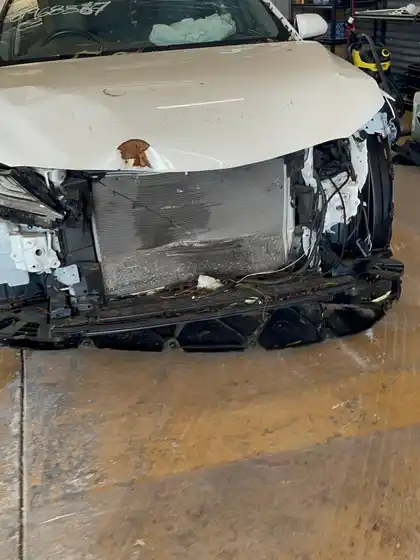
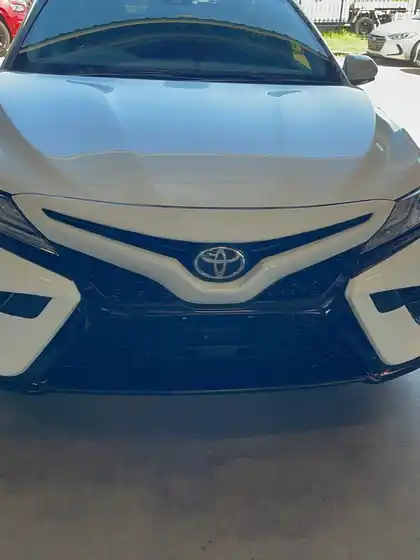 ABF-0201
2021 Toyota Camry
One-year warranty on bodywork and paint against peeling or fading.
Insurance claims welcome, we handle the paperwork.
Our workshop equipment includes spray booth, measuring equipment and computerised colour matching.
Yes. The online quote form lets you send clear photos for an initial assessment before the workshop inspects the vehicle in person.
We give you a timeframe once we have seen the vehicle rather than quoting a number in advance. What we commit to is not sitting on it — fast turnaround, quality finish.
Tell the workshop what needs attention and request a free quote.